
A charitable initiative · Australia · ABN 00 000 000 000 Support our work →
Our programs · Three interconnected areas of work

Programs designed to be
patient, specific,
and accountable.

We work in three interconnected areas — covering children, women, and families. Each program is delivered through long-term partnerships with community organisations that already hold the trust of the people they serve, and each is shaped around what we have learned is most useful in practice.

We do not run programs at communities. We run programs with them — and we report on what works and what does not.
6 Specific programs
currently running
12 Partner organisations
we run programs with
$1.6m Direct support
last financial year — via partner organisations
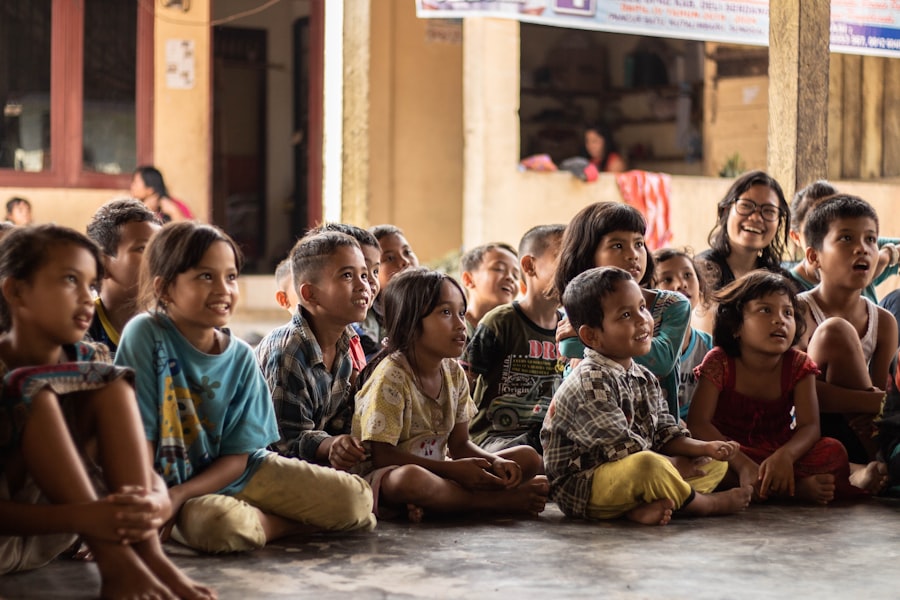
A child in a community program
After-school program, Western Sydney. Delivered in partnership with local primary schools.
Community-led · Transparent · Long-term · Independent · Australia-based
01

Three programs, one shared belief: lasting change happens at the level of the individual and the household.

Our programs are not designed to be a comprehensive response to the challenges they address — that would be hubris. They are designed to do a small number of things well, in partnership with organisations that have been doing the work for longer than we have.

Each program has a written theory of change, a small set of measurable indicators, and an annual review published in our public report. We do not believe in programs that cannot be honestly assessed.

The descriptions below summarise what each program does, who it is for, and how we measure whether it is working. Full program documentation is available on request.

02

For children to feel safe, seen, and free to learn.

A child engaged in learning
i. — After-school learning

Sustained learning support, not episodic tutoring.

We fund and coordinate after-school learning programs in three primary schools in Western Sydney. The work is delivered by qualified teachers and supported by trained volunteers, in close coordination with each school’s existing wellbeing team.

We do not measure success by hours of tutoring delivered. We measure it by the proportion of participating children who maintain or improve their school engagement over a full year, and by the relationships that continue between children, families, and the school beyond the funded period.

Where: Fairfield, Cabramatta, Canley Heights (Western Sydney).
Partners: Three primary schools, one community health centre.
Reach (2024–25): 184 children.
A young person meeting with a mentor
ii. — Mentoring

Mentoring relationships that last longer than a funding cycle.

Our mentoring program matches children in out-of-home care or experiencing sustained hardship with carefully screened and trained adult mentors. Matches are intended to last a minimum of twelve months, and many continue well beyond that.

We work in partnership with two specialist out-of-home care providers who already hold the trust of the children and families involved. Our role is to fund the coordination, provide the training, and ensure the program is reviewed honestly each year.

Where: Greater metropolitan Sydney.
Partners: Two specialist out-of-home care providers.
Reach (2024–25): 62 active mentoring matches.

03

For women to navigate hardship with support, not alone.

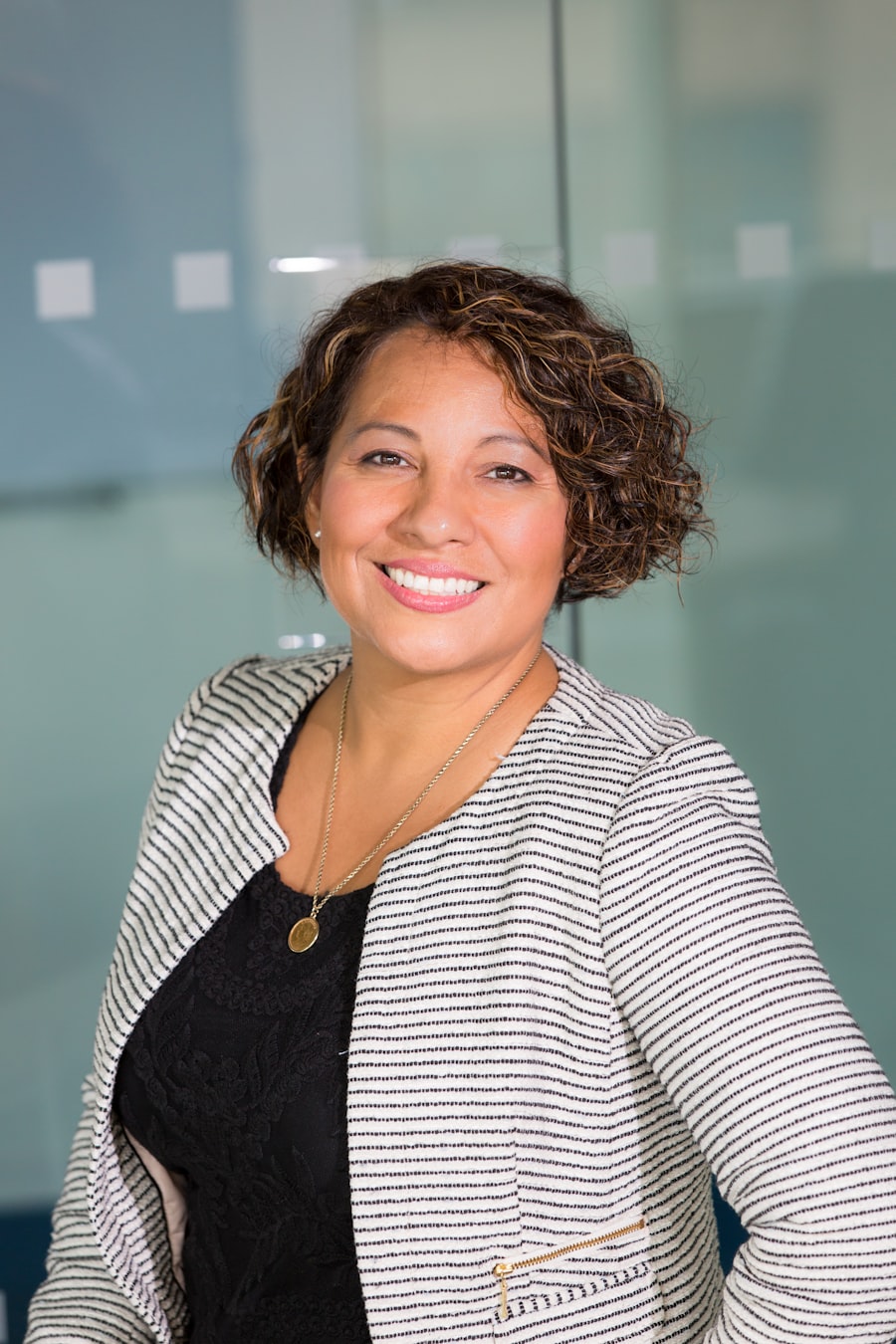
A woman speaking with confidence
i. — Financial counselling

Practical financial support, delivered without judgement.

We fund a free, confidential financial counselling drop-in at a community health centre in Parramatta. The service is delivered by qualified financial counsellors and is open to any woman experiencing financial hardship in the area.

The work is practical: navigating Centrelink, responding to debt, planning around irregular income, and preparing for the kinds of conversations that are difficult to have alone. We do not provide advice — we fund the people who do, properly and without time pressure.

Where: Parramatta (Western Sydney).
Partners: One community health centre.
Reach (2024–25): 327 sessions.

Women in a peer learning group
ii. — Pathways program

Training, credentialing, and small-business support.

Our Pathways program supports women who have begun the longer work of rebuilding economic independence. We fund short vocational courses, credentialing fees, and a small-business development stream that includes mentoring and access to seed funding through partner organisations.

This program is intentionally small. It is built around a cohort model — groups of between eight and twelve women moving through a nine-month structured program together, with peer support built in.

Where: Greater Sydney.
Partners: Two TAFE NSW campuses, one microenterprise support organisation.
Reach (2024–25): Two cohorts, 19 women.

04

For families to be strengthened, not rescued.

A family spending time together outdoors
i. — Casework continuity

Steady casework that does not stop when a Centrelink application is approved.

We fund extended casework hours at three community centres in greater Sydney. The principle is simple: the families who most need consistent support are typically the ones whose interaction with the helping system is the most fragmented. We fund the additional hours that allow caseworkers to stay engaged through the quieter, harder periods.

We measure success by casework continuity over twelve months and by the proportion of families reporting (in independent surveys) that they felt their caseworker knew their situation.

Where: Inner West, Western Sydney, Northern Beaches.
Partners: Three community centres.
Reach (2024–25): 218 families.

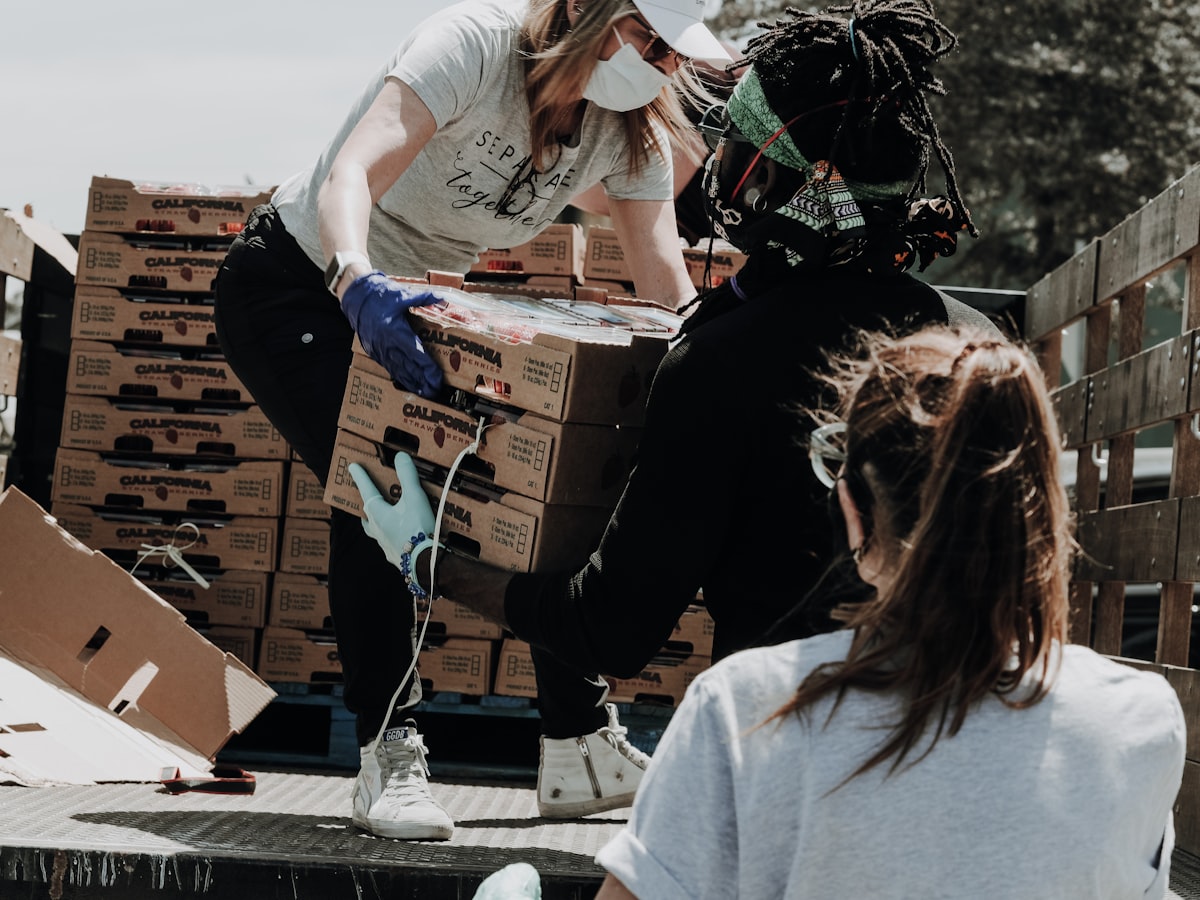
Community workers meeting with a family
ii. — Material support

Direct material assistance, delivered with dignity.

We provide material support — grocery vouchers, school supplies, household goods for women leaving crisis accommodation, and emergency heating assistance through the winter months. Almost all of this work flows through our partner organisations rather than directly to families, so that the distribution sits with people who already hold trust.

Our funding policy explicitly excludes the most well-resourced schools and community centres: we direct material support to the organisations whose waiting lists are the longest, not the ones whose fundraising appeals are the loudest.

Where: Greater Sydney.
Partners: 37 community organisations across our full network.
Reach (2024–25): $1.6 million in direct material support.

05

We do not believe in programs that cannot be honestly assessed. Here is what we track, and what we publish.

i.

Reach

The number of people directly supported through each program, broken down by primary program area and partner organisation.

ii.

Engagement

How long participants remain engaged with each program, and at what points they choose to leave — we report both.

iii.

Outcome indicators

A small set of measurable indicators per program, reported annually against the prior year, including where we have fallen short.

iv.

Partner experience

An annual independent survey of every partner organisation we work with, including what we could do better and what we should stop doing.

v.

Community voice

Independent interviews with a sample of program participants each year, conducted by an external evaluator and published in summary.

vi.

Cost per outcome

Total cost per program, divided by the primary outcome measure, calculated conservatively and reported in our annual report.

06

If you are part of a community organisation doing this work, we would like to hear from you.

We are always open to conversations with potential partner organisations, and we welcome approaches from communities and sectors where our current program coverage is thin or missing.